Author: Tibs

  • June – In Review

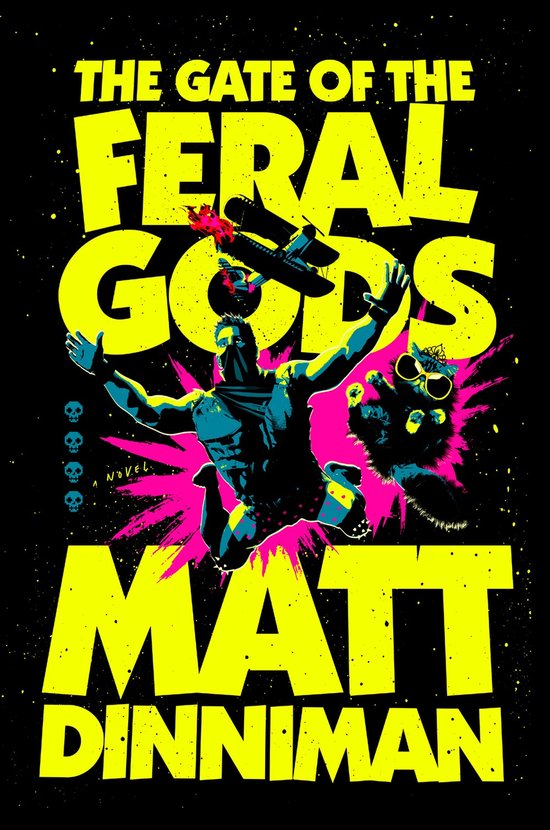
    The Gate of The Feral Gods

    Book 4in the series and my obsession is still running strong. A real change up in terms of the ‘game’, and an introduction to host of new characters and concepts.

    I know the TTRPG is coming and I’m equal parts excited to play in this world, and concerned how they will wrangle the breadth of the game concepts.

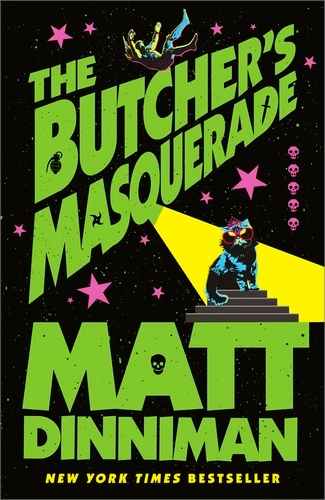
    The Butchers Masquerade

    Not as wild on this one, if I’m honest. A bit of a clearing of the decks in terms of on-going ideas, but seems to be more set up for future books.

    Doesn’t help that I’ve never been big on the Signet storyline, and prefer the inventiveness of other installments.

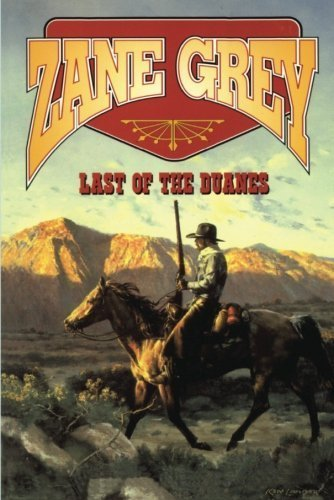
    Last of the Duanes

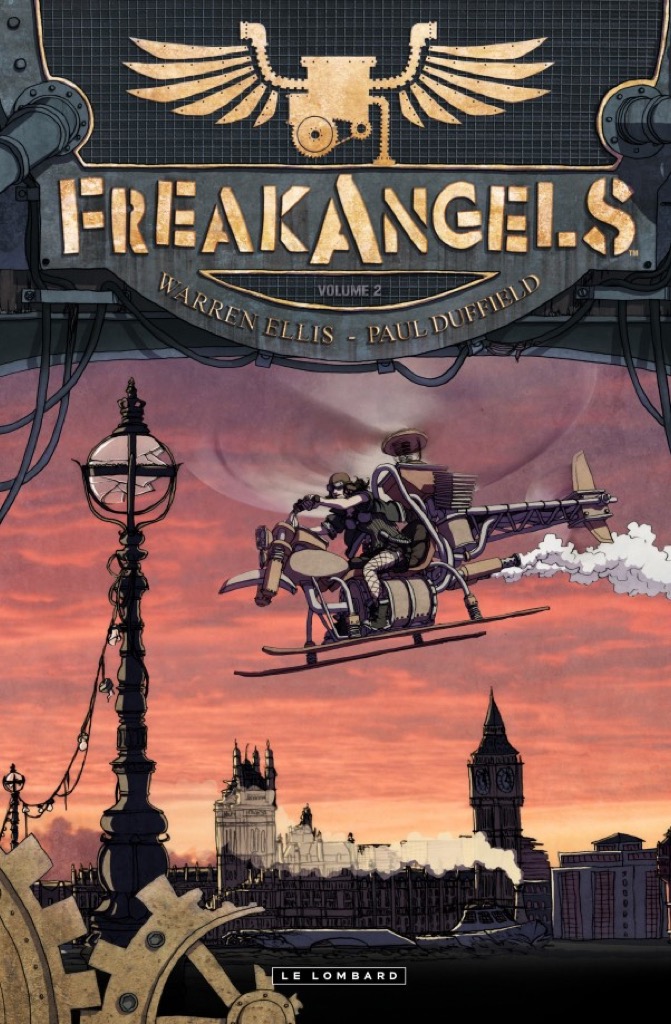
    Continuing my slow slow read through of Zane Grey’s bibliography, this one is concerned with a ‘wrongly’ accused outlaw who survives the west, before being pressed into service. Large parts of it betray it’s serial origins, but as always paints a beautiful and evocative picture of the old west.

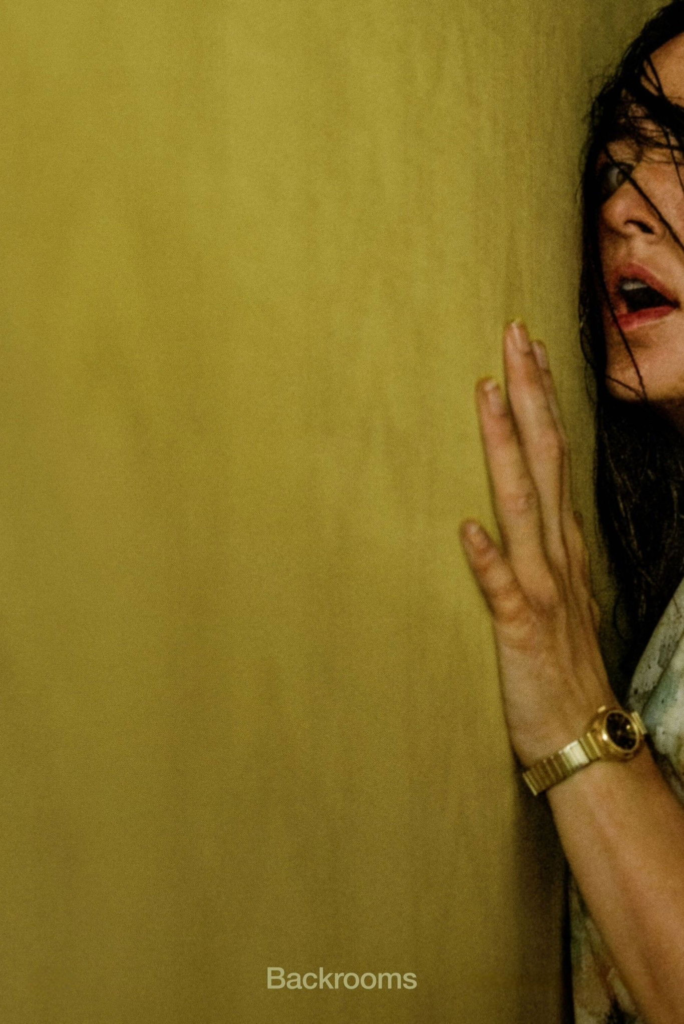
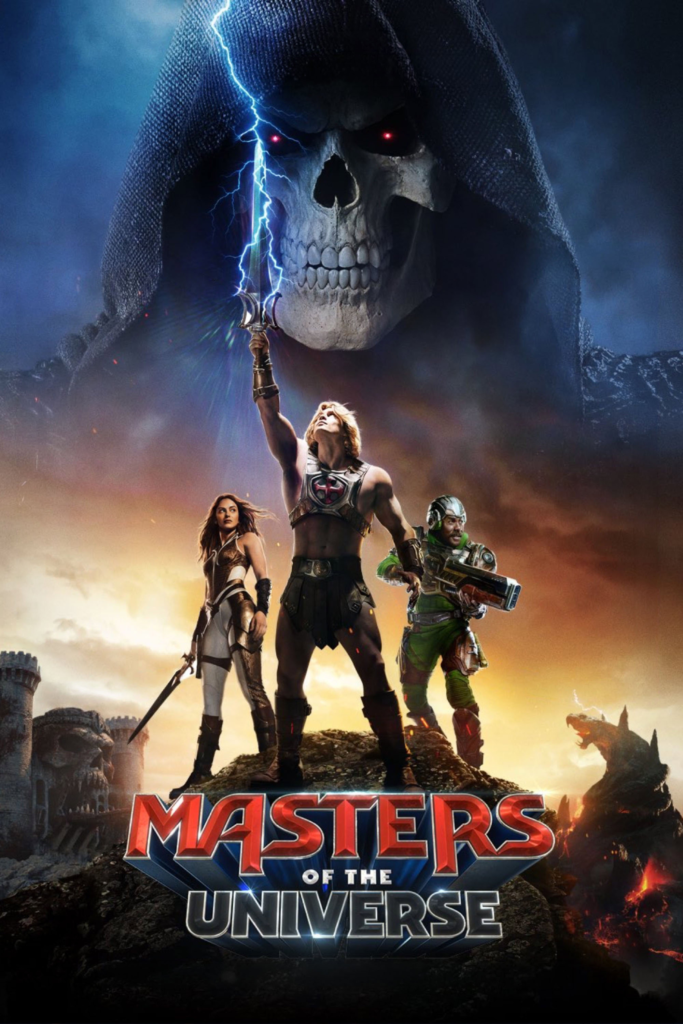
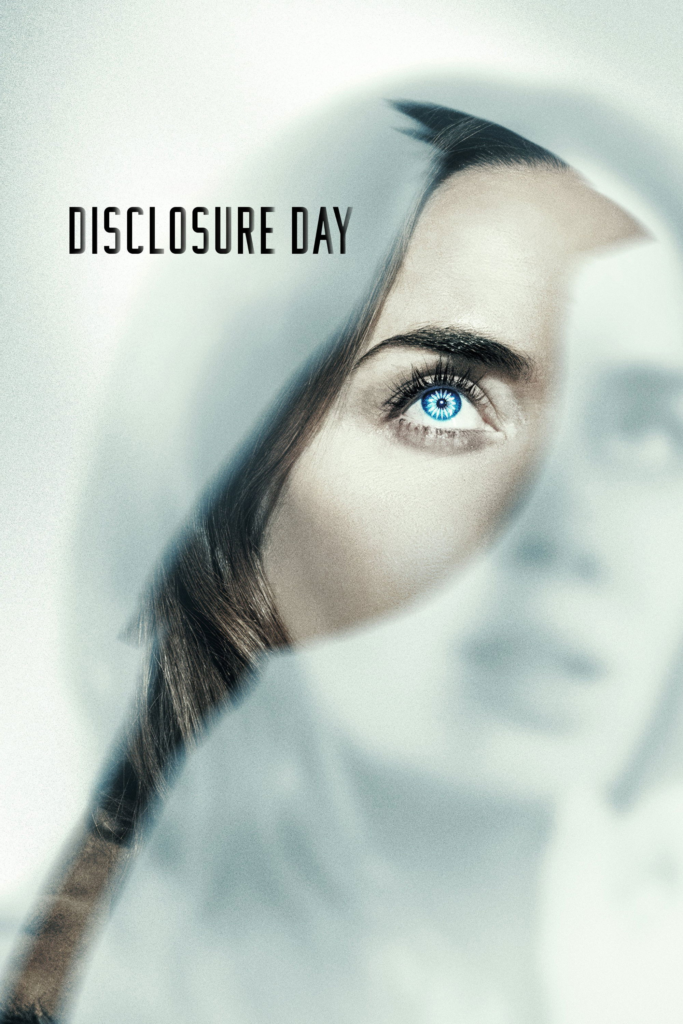
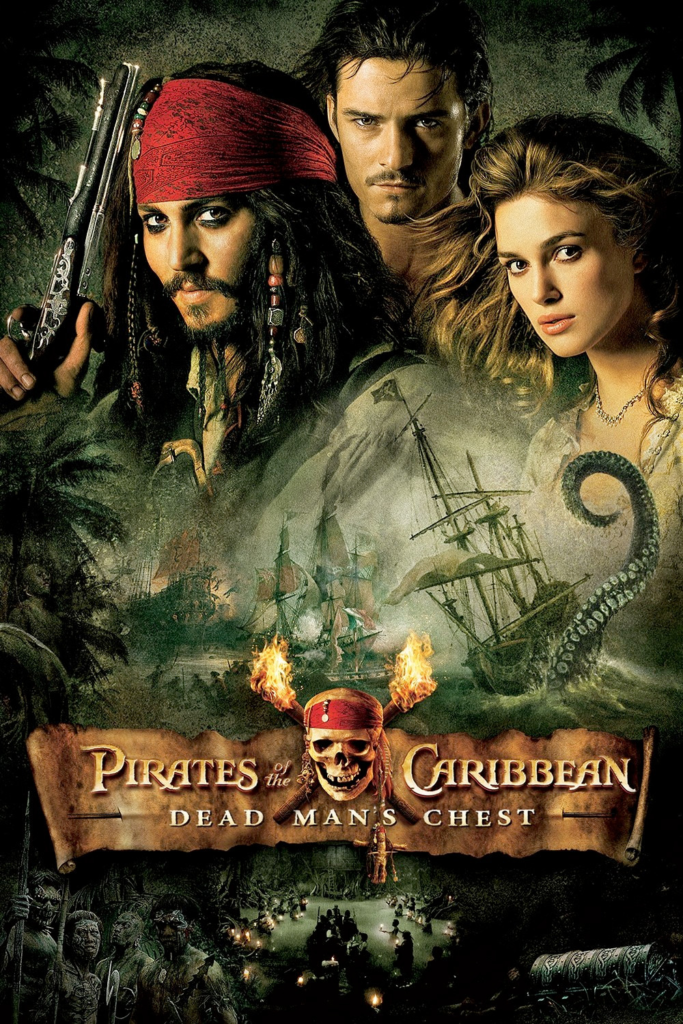
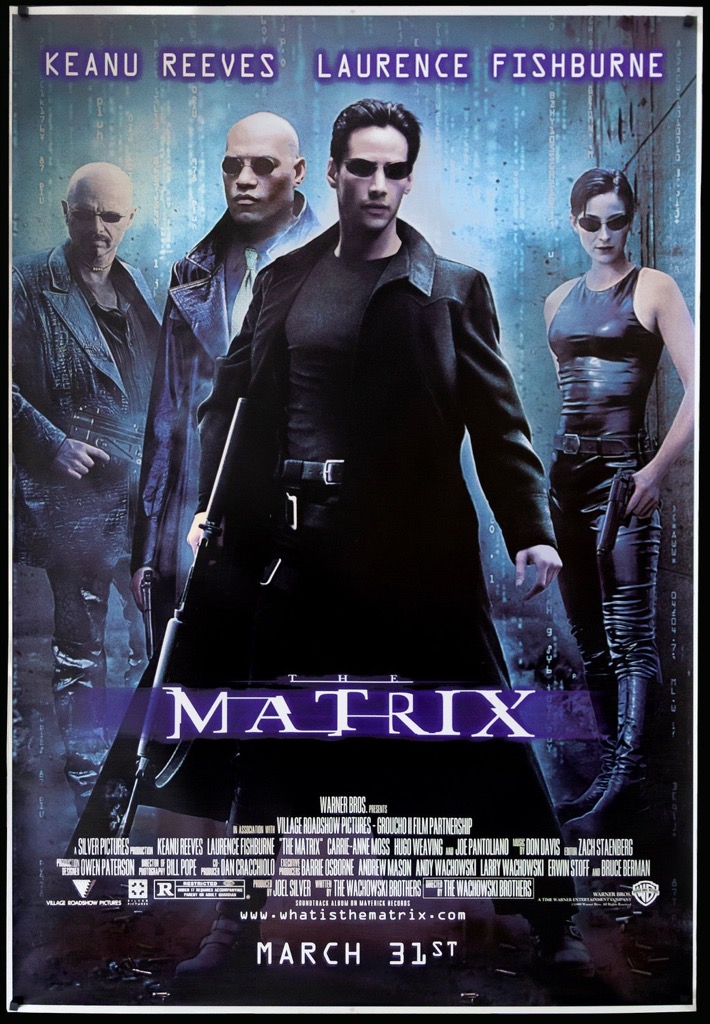
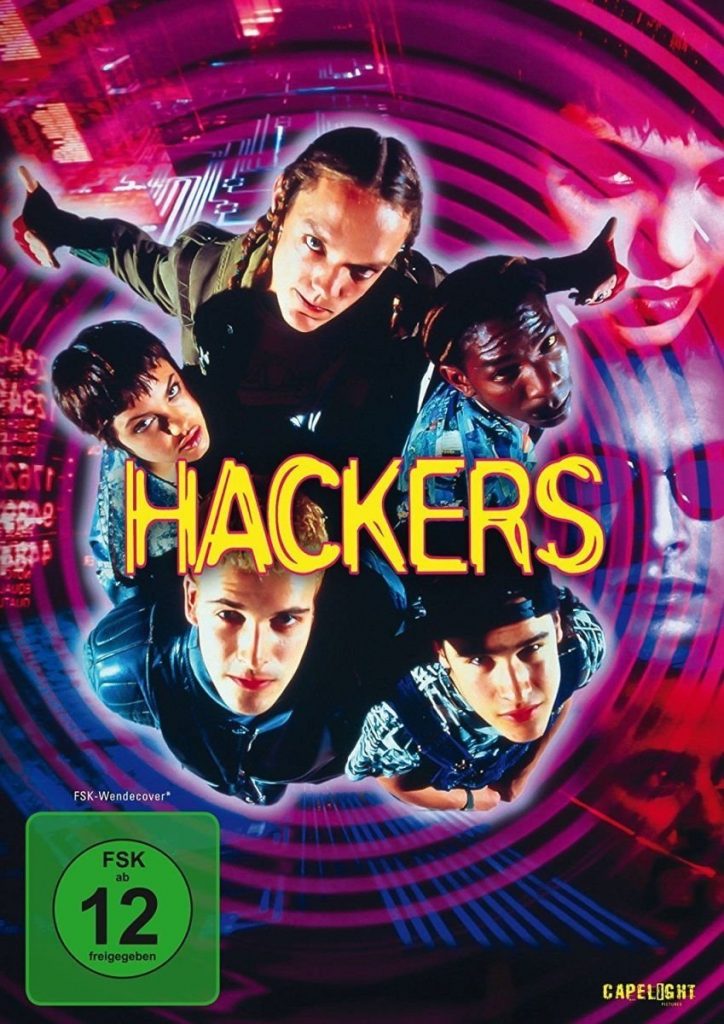
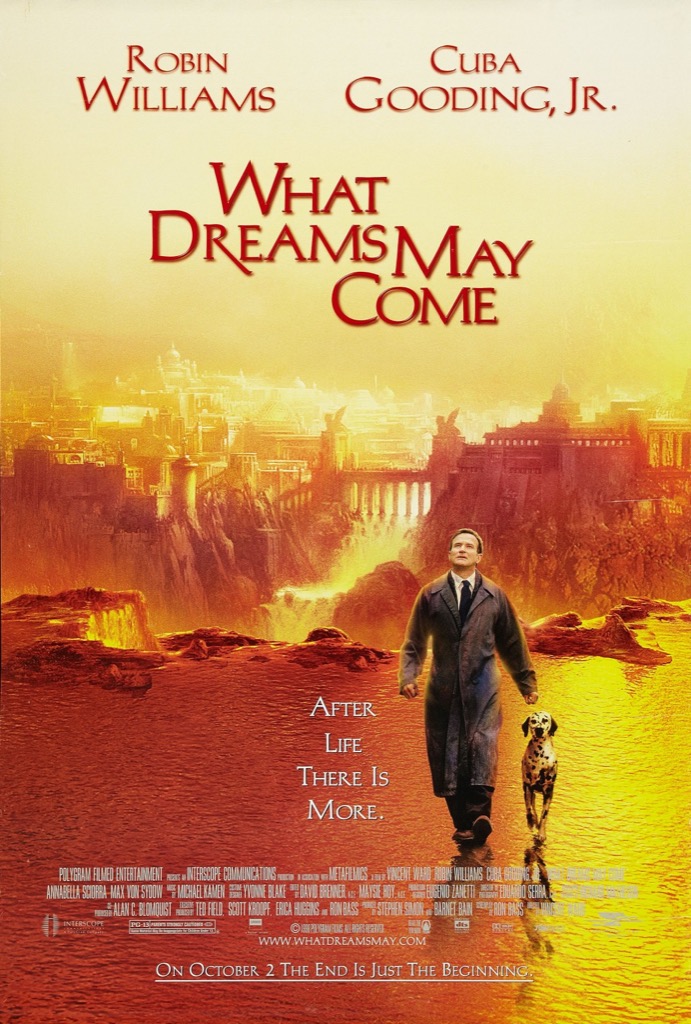
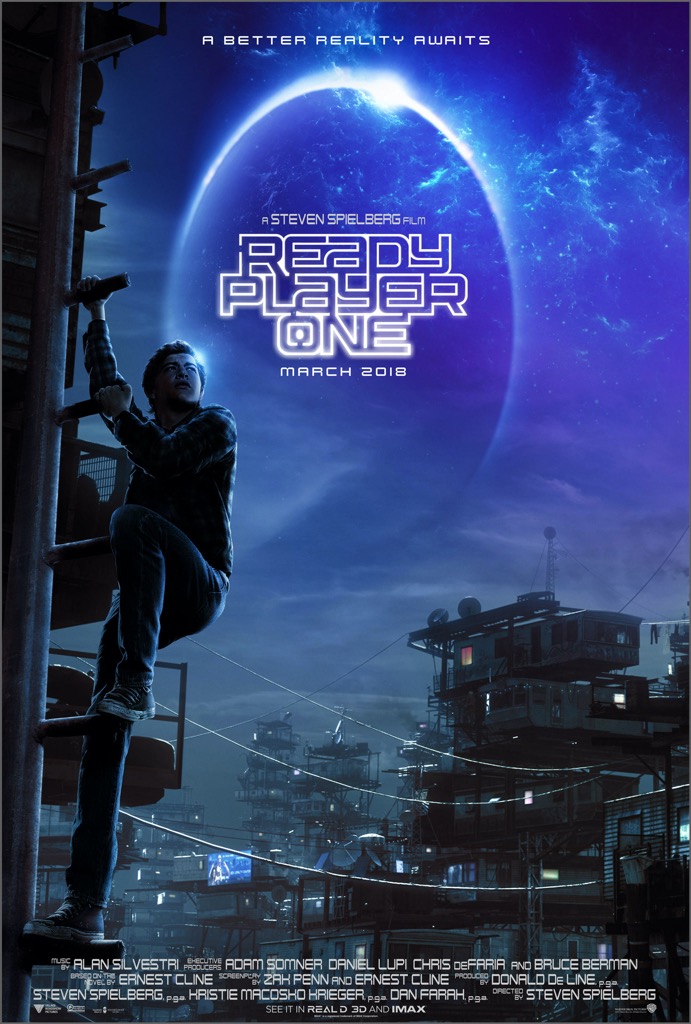
    A concept on search of a story. Great set design, great opening acts, wonderful tension and vibes, kinda falls apart when it needs to ground the ending in something real.

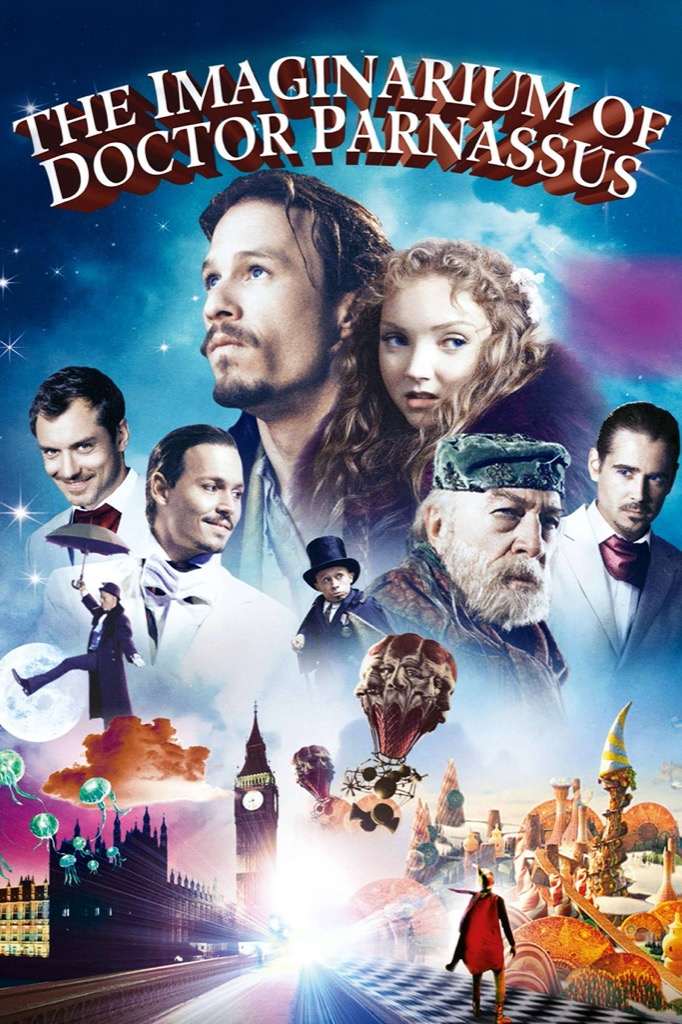
    Dazzlingly chaotic and tonally wild, as close to the experience of playing with dolls as a boy that any film has ever been.

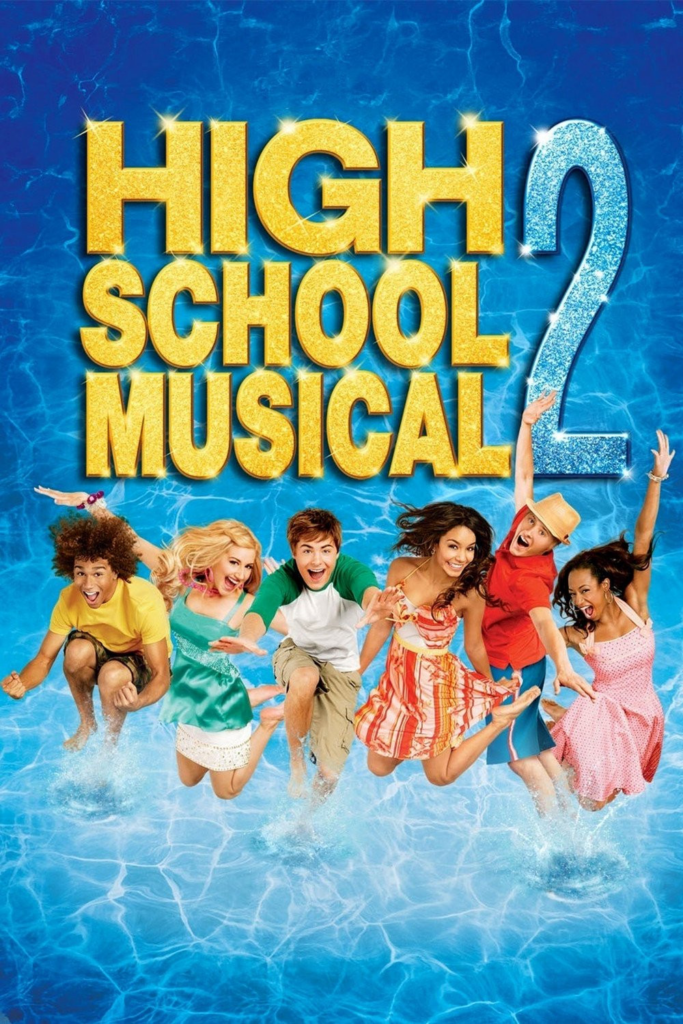
    Is there ever anyone better behind a camera? When he gets a script that works like this, he sings.

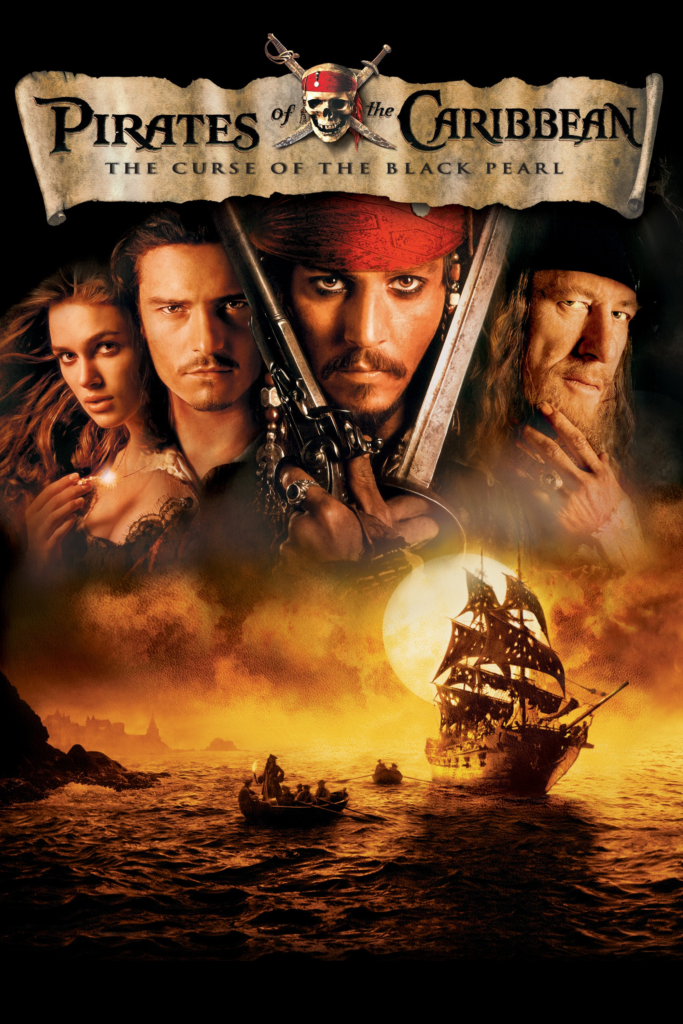
    The best of the three, fight me

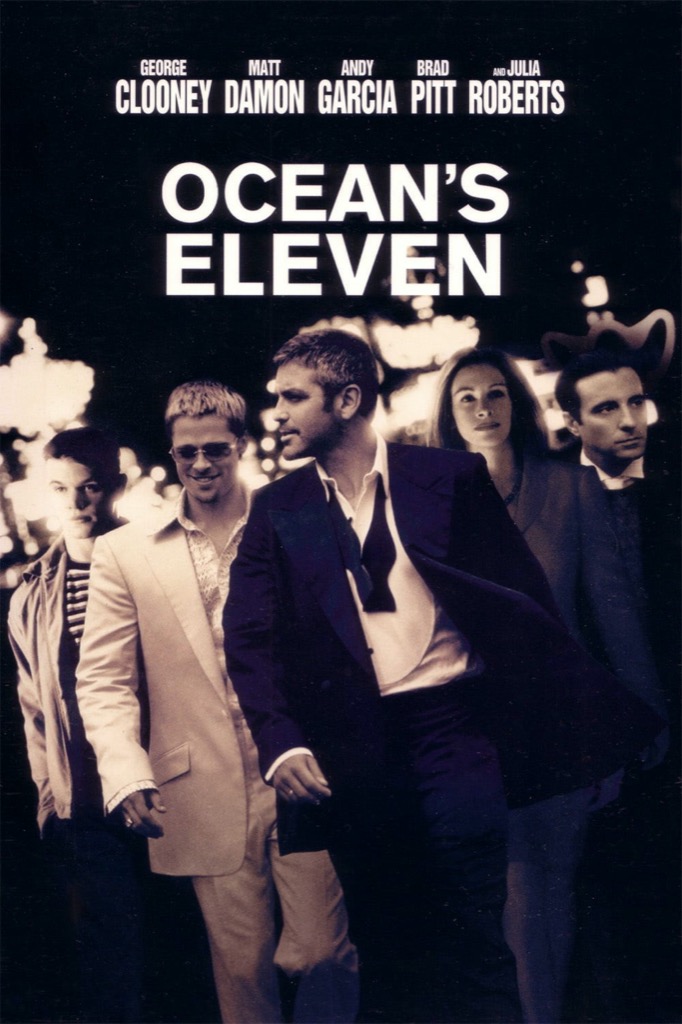
    If you don’t think Sparrow and Barbossa fighting in and out of the moonlight is the tightest shit on film, you need a talking to

    Norrington is a real one, OG hater

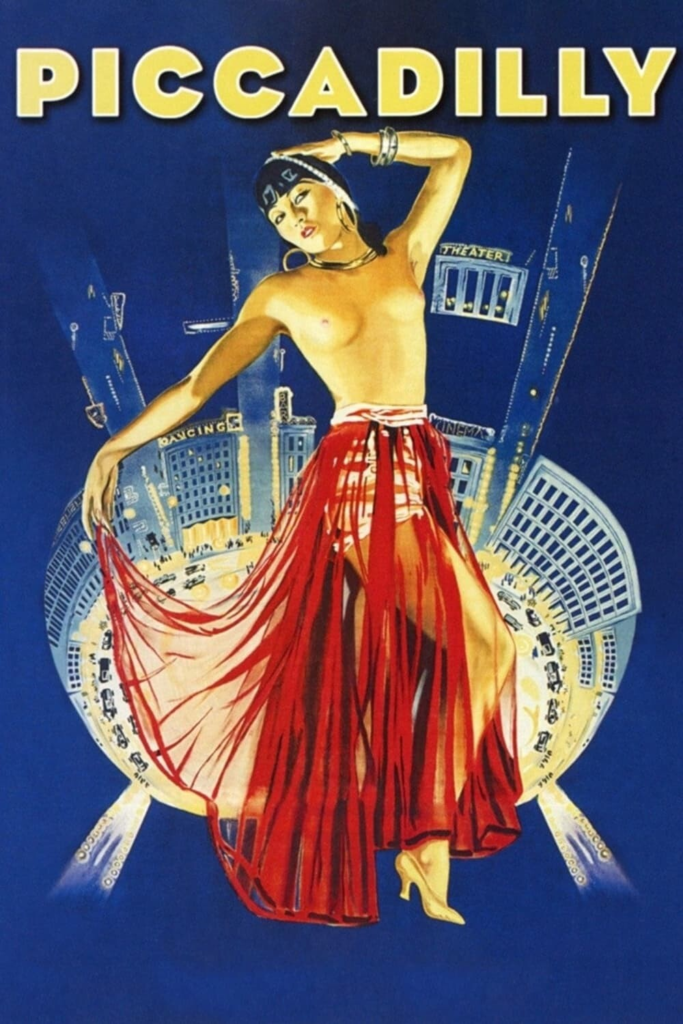
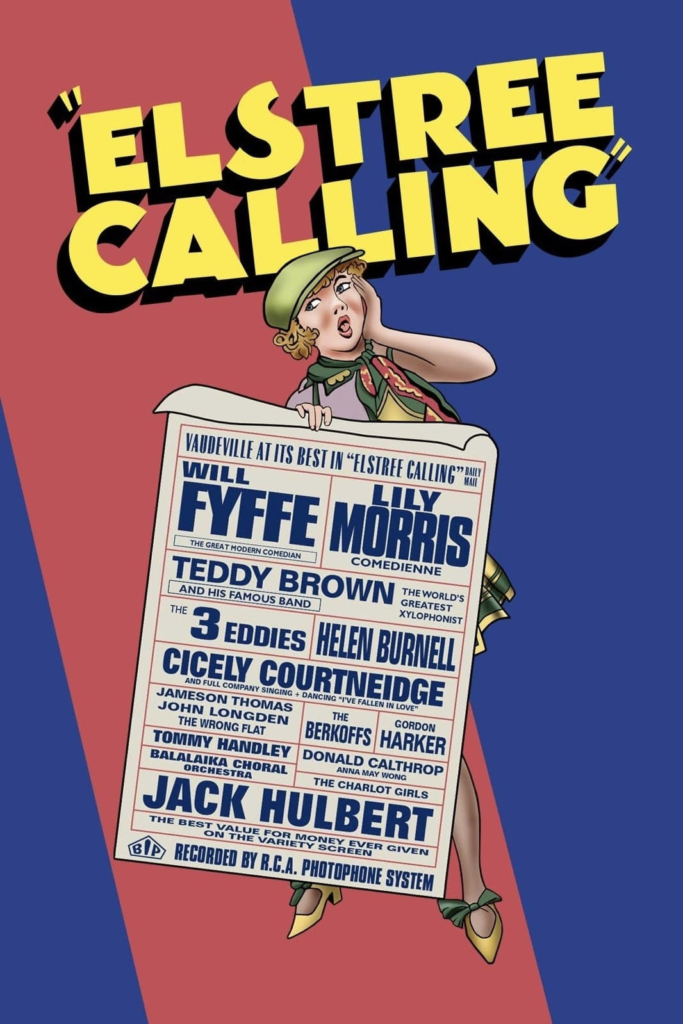
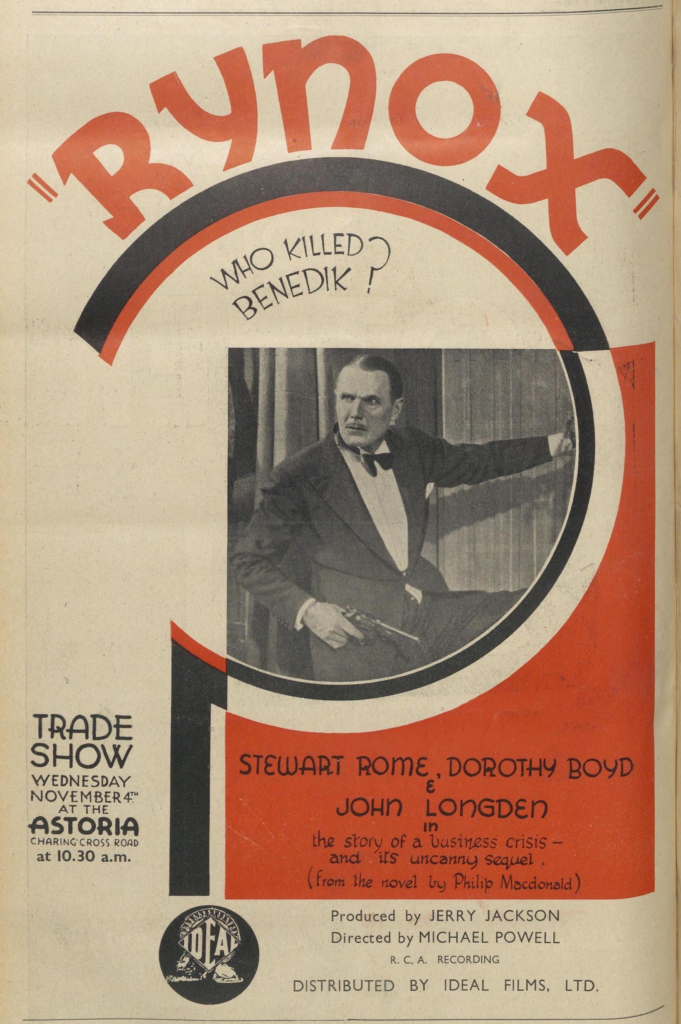
    I’m also in the process of trying to watch through the complete history of British film, from the 1800s to now. And we’re now in the late 1920s/30s:

  • Neocyber Dev Blog #2

    10 LET Stats = 0
    20 Stats = Stats + 1
    30 PRINT "Current Stats:"; Stats

    Let’s Talk About Character

    At the heart of any ttrpg is the character that the player embodies. Sometimes these are sharply drawn creations, with depth and history, and sometimes they are Goblin With a Knife – both ‘right’ within the game they are part of.

    So, leaning into the grit I want for NeoCyber, as well as the DIY punk ethos, this is what I’m working with:

    Everything in the game is purchasable using the same mechanic

    so, to get to the nuts and bolts of this, when I say ‘everything’, I’m meaning every thing. So, as a working title that needs changing, I’m going with this mechanic being called Character Points – and you can use those Points to as much purchase a gun or a car or a hack, as you could to get a increase to a stat or a skill.

    So, if you wanted play a more traditional charater, with balanced points in all your abilities, you can. But if you want to play the guy who just has the sickest ride, or piles of credits, or just a big ol’ bag of guns, the system allows for it.

    There will need to be some testing around the amount of Character Points to be assigned, and also how that interacts with in-game currencies, and level ups (would players do missions for Character Points? unlikely)

    Stats-a-go-go

    And now further into the gritty, what are the actual stats we’re talking about? It is important to me that the game has as rich as ‘digital’ world as it does a ‘real’ world. If the cyberpunk genre is built on an proposed extension of today, many undersell the digital world – be that VR, AR, cybercrime/security, social media, digital communities, etc. I want to make sure we front the digital world as much as possible.

    One of the initial ideas was to almost have two characters per character, a real world one and a digital avatar, but that was one idea that failed in the playtest, so instead we’re looking at splitting the stats instead

    Real World Stats:

    Body: fight, run, climb, stamina, health
    Flex: acrobatics, driving, stealing, hiding

    Digital Stats:

    Hack: breaking in, defence, digital creations, data searching, phishing
    Twitch: swords, guns, combat, reactions

    Shared Stats:

    Credits: moola, cash, readies, dead presidents
    Mind: lore, tech, lies, charm

    Next week, skills…

  • NeoCyber Dev Blog #1

    >IDENTIFICATION DIVISION.
    >>>> PROGRAM-ID. CreateNeoCyber.
    >
    >>> ENVIRONMENT DIVISION.
    >>> INPUT-OUTPUT SECTION.
    >> FILE-CONTROL.
    >>>> SELECT CyberFile ASSIGN TO "NeoCyber.txt"
    >>>>> ORGANIZATION IS LINE SEQUENTIAL.

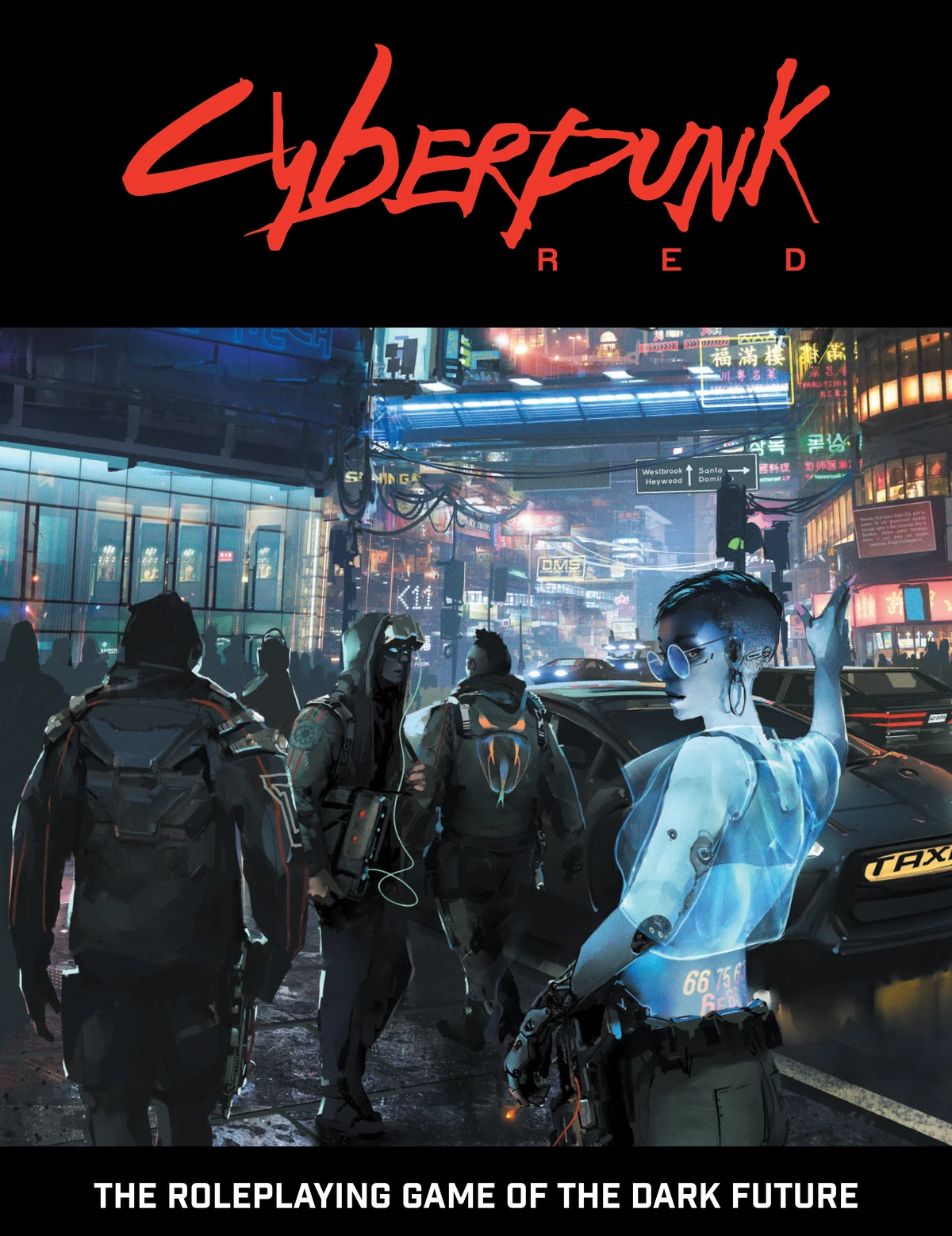
    Welcome to Dev Blog #1. Throughout this series, my aim is to talk about the process of trying write and create my next game – a cyberpunk ttrpg that is currently called NeoCyber.

    Why Cyberpunk?

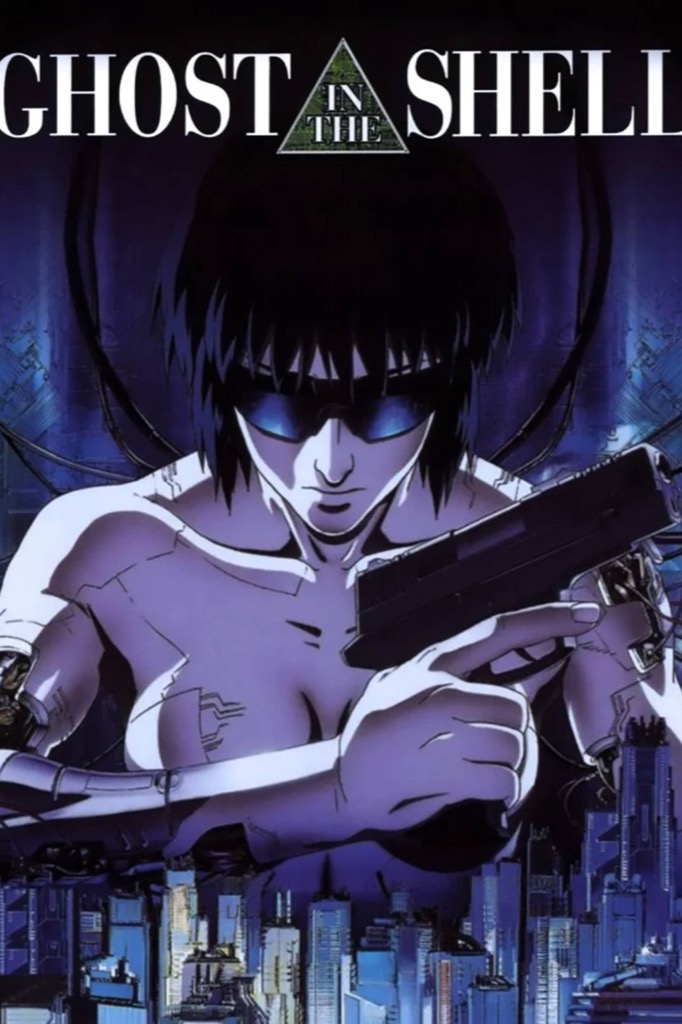
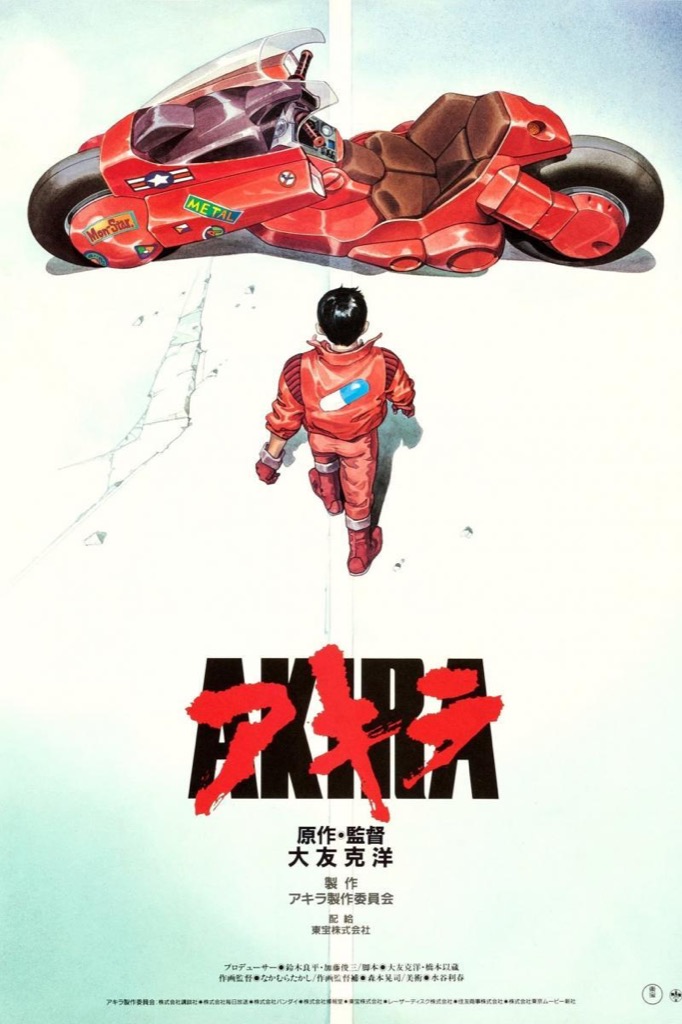
    Look , I saw Akira at far too young an age and it stuck with me ever since.

    And, in truth, I find the concepts in it fascinating- the classic ‘high-tech-low-life’, the idea of an imperfect future, the tales of the scrappy humans living in the midst of dystopia, trying to help, trying to survive. The core ‘punk’ part of the name, of building your own thing, of being small and smart is going to trump being big and rich any day of the week.

    That and it looks cool and lets you play around with some really fun parts of the game

    What Is Inspiring It?

    The Journey So Far

    So I wrote a game! A whole cyberpunk game! And its was fine

    but fine isn’t what I’m shooting for. It didn’t capture what I wanted it to, but it really helped me sharpen my thinking of what I did want it to capture. So I threw it out, and went back to brass tacks of defining what I want from the game, and the experience of playing it.

    So, with my 6 System Edicts, I’m setting out again to rebuild this game, stay tuned…

  • The Game Within The Game

    What game are we playing? This is seems like a such a simple question, one easily resolved by looking at the table in front of you, maybe looking at the cover of a book. We’re playing 5e, we’re playing Mothership, we’re playing Hat Horse Gun, and so on and so on.

    Maybe a better question is ‘which game are we playing?’ – which is to say most games we play at the table is really two games folded together – the playing of the game, and the creation of that game itself. 

    I’ll be a little less cryptic. 

    Above the actual playing of the game, most modern ttrpgs have a meta-game of character. And that is one we all play, and one we tend to judge each other much harsher on our performance for. 

    ## The Second Game

    Let’s call this game The Second Game. And this game is the process by which we chose (or have chosen for us) the stats, skills, traits, items and whatever for our characters. It’s how we build the avatars in which we play the main game, The First Game. 
    ## Playing The Second Game

    Whereas the main game is ostensibly the character making choices and seeing outcomes, The Second Game is purely played by the player themselves.

    > Jenny is playing Ar’ul the Thief.   

    > During a game session, Ar’ul navigates a room, Ar’ul in the one deciding to do that. 
    >**This Is The First Game**
    >
    > After the session, Ar’ul levels up and gains new powers. Jenny is the one deciding what power to get. 
    >**This Is The Second Game**

    Each game, consciously or unconsciously, will set the complexity and _amount_ of The Second Game it allows. To work through some examples, lets look at three popular examples: D&D 5e, Mothership and Fiasco

    Within **5e**, there is a lot of Second Game that is front loaded, but it tails off sharply – you get to pick species, class, skills, stats (maybe), items, backstory, the whole kit and caboodle. But once that’s set, the options get really withdrawn (outside of a multi-class choice), many level ups offer no choice whatsoever, whatever original sin is baked in your character is just set. Outside of shopping for new magical items (if allowed), you are mostly on a conveyer belt. 

    **Mothership**, due to it is random name of generation, is actually quite light on the Second Game at the start, all you can pick is class, skills, and whatever amount of backstory you imbue the character with, often none. After this though, the Second Game ramps up, you get the options to train in skills (albeit on a _loong_ timeline), but has a brilliant game mechanic in which you can convert the stress of your adventures into stat increases. You make some rolls (which you should be attempting to stack in your favour) and then grow exactly how you want, narratively or mechanically, as well as finding time to upgrade your kit and ships

    And finally **Fiasco**. As a inherently one-shot game, there is no onwards Second Game, and the initial game takes an unusual form: There are no stats, no skills, no classes, all you really have is a name and two connections, which can range from a location or item, or a mission or relationship. Crucially here, those connections are co-created with all players, others give you those connections as much as you pick them for yourself. 

    ## What Isn’t The Second Game

    This is an excellent point to quickly define what isn’t The Second Game, which I would draw as the personal nuance of your character. Which is say, if you decide your Teamster smokes like a chimney and loves cats, that’s not The Second Game, if your Paladin just an asshole to anyone not of his faith, that’s not The Second Game. Those are choices you can just make, there aren’t rules driving and corralling those decisions. 

    (Caveat that there are certainly some games that do offer structures and rules to define this stuff, but it isn’t the norm)

    ## Why Does It Matter

    So, after all this, why do we care about the Second Game? My view is that this is very often a over-looked part of the playing experience. We talk about crunch vs rules light and the like, but the weight of the Second Game often bears over all that. As we design games, we need to think about this as much part of the overall game as much as our combat rules. 

    >To paraphrase [Chris McDowall](https://www.bastionland.com/) on the excellent [Quinns Quest](https://www.youtube.com/@Quinns_Quest) podcast “If you’re making a game with potential death in it, you don’t want character creation to be overly involved.”

    And this isn’t a plea for a design choice one way or another, more a plea to consider how much the two games work together. To make your Second Game work in parallel with First, and consider it as much as you consider the vibe of your First Game.